← All work
Snack Archive 中国零食档案馆
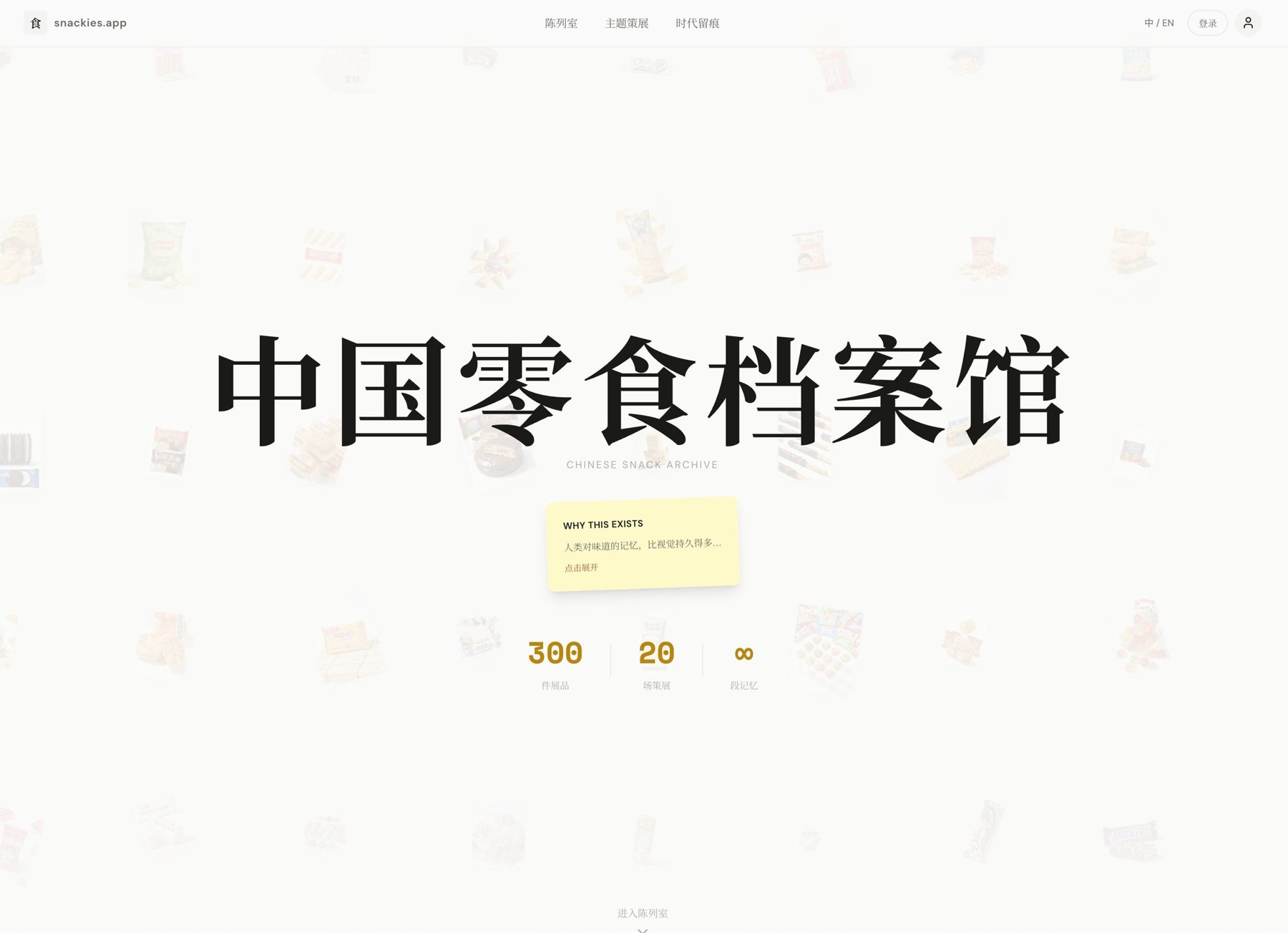
300 childhood snacks from three generations of China — researched, rescued and made searchable before they disappear.
300 childhood snacks from three generations of China — researched, rescued and made searchable before they disappear.
China's snack aisle moves fast. Brands that defined whole childhoods vanish quietly, with almost no record left behind.
Snack Archive is a digital field study of the snacks that raised the 80s, 90s and 00s generations — and an interactive exhibition for revisiting them.
How do you document a product that no longer exists?
Today's snacks have official product shots. Discontinued ones — like Niuyangpei or Jiajia milk candy — survive only in second-hand listings, nostalgia forums and old TV ads. Rebuilding their packaging became a small act of visual archaeology.
A data framework for 300 snacks across seven categories, each with five core fields: name, brand, region, discontinuation status and generational tag.
A sourcing protocol for discontinued products — second-hand platforms, collector forums, vintage ads — with lost packaging redrawn as vectors from old photos.
An exhibition site with two ways in: by generation (80s Nostalgia Hall, 90s TV Childhood, 00s Viral Snack Wall) or by category.
People search by “when I was a kid”, not by product code — so generation comes first.
Dense information balanced with a soft paper palette and generous packaging close-ups.
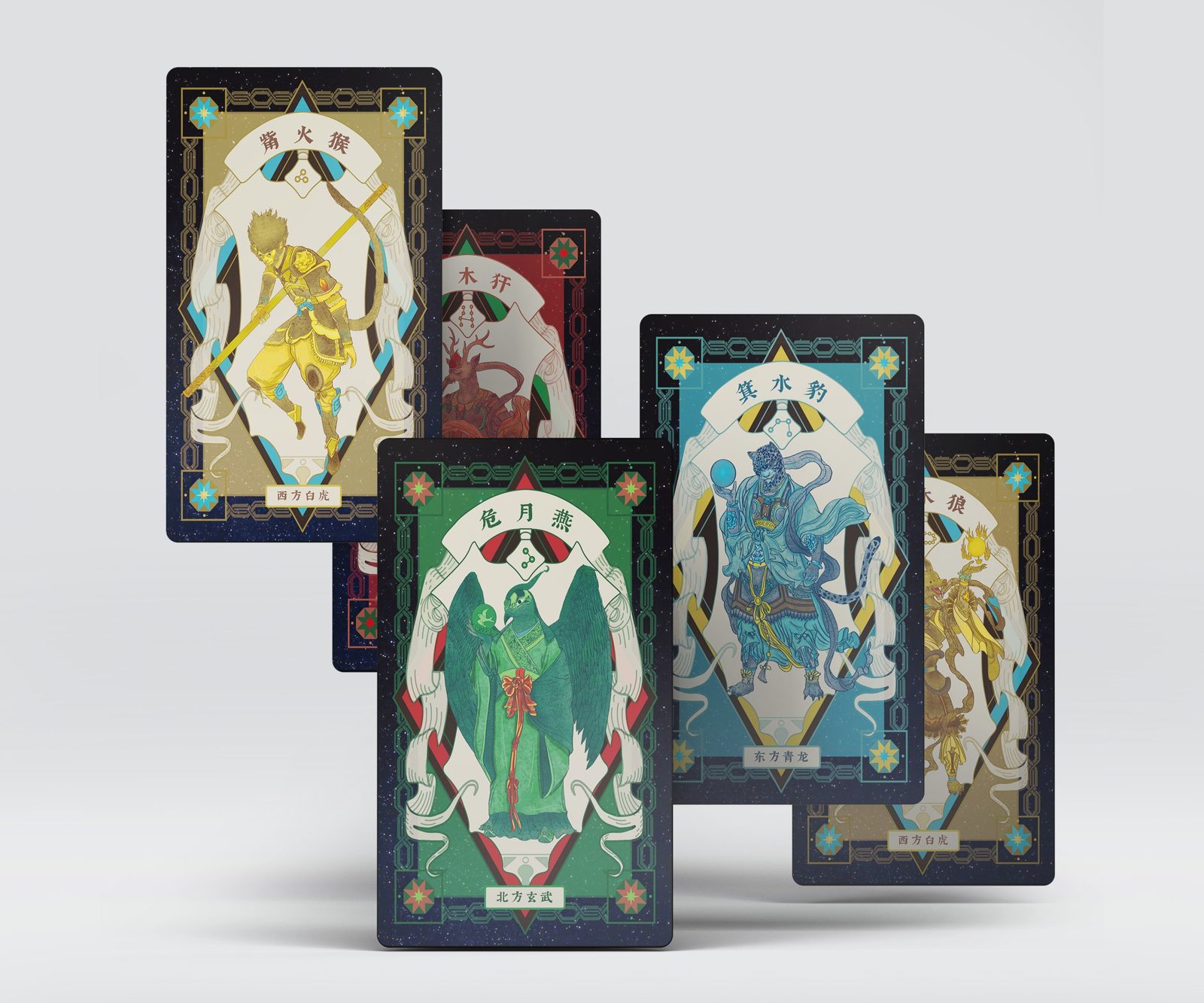
Related artefacts — like the collectible cards that came in the packet — sit right next to the snacks.
The hardest design problem wasn't the interface. It was deciding what counts as evidence when the original is gone.